Research shows that a buyer makes an initial decision about whether they're interested in a car within 3 seconds of opening a listing. Three seconds. That's all you get before someone scrolls on or decides to stay a little longer.
And that's the whole catch. You can have a very good car — well maintained, fully serviced, accident-free — and still lose out to a worse one that simply looks better. Let's not beat around the bush: preparing a car for sale is not a frivolous extra. It has a real impact on the price and on how quickly the keys change hands.
Over the years on the lot, I've seen it hundreds of times. The same model, similar mileage, and one sells within a week while the other sits for a month and loses value. The difference? Usually the preparation. Here's how to do it right.
Why Preparing a Car Pays Off in the First Place
Let's start with something simple. A buyer isn't buying a car — they're buying the impression that they're buying a good car. Those are two different things.
A clean, fresh-smelling car with a complete set of documents inspires trust. In other words, buyers haggle less because they're less afraid. On the other hand, a dirty car with stained upholstery immediately plants the thought: "If the owner didn't bother to wash it, what about the oil?" And the price starts sliding down.
The math is simple. An hour or two of work plus a few dozen zlotys spent on cosmetics can protect several thousand in the final price. It's one of the best "investments" in the entire selling process.
Step by step: how to prepare your car for sale
Here is the sequence that has worked for me for years. Don't skip steps, because each one pulls its weight.
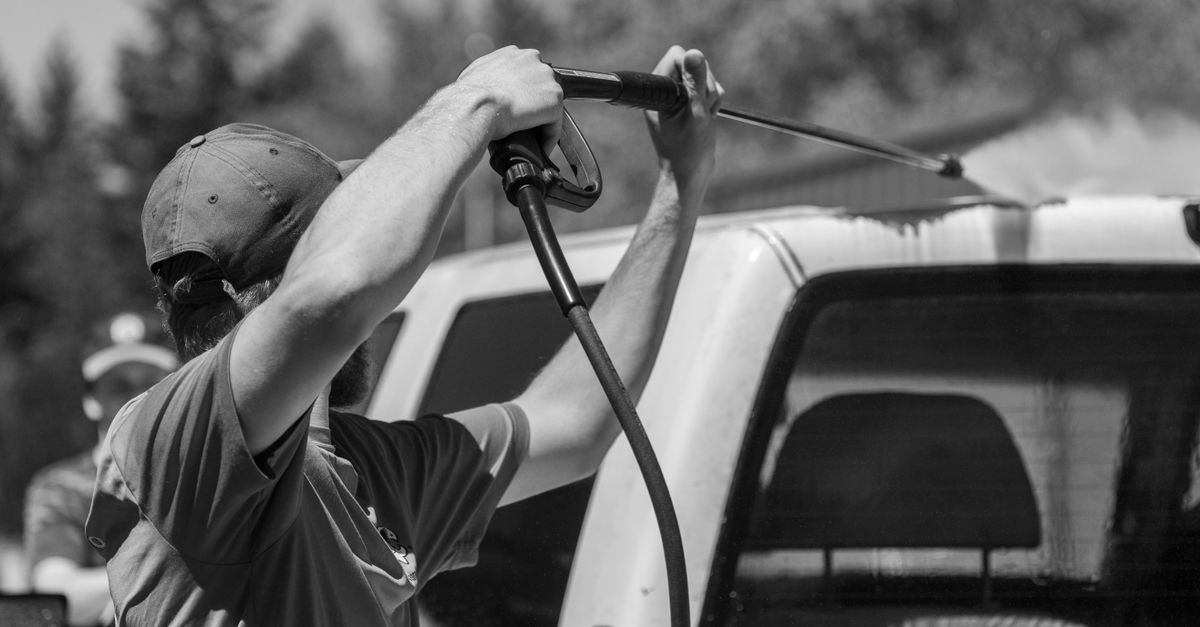
- Wash the car thoroughly, inside and out. A quick run through an automatic car wash won't do. Vacuum the upholstery, wipe down the plastics, and clean the windows from the inside (drivers often forget this, and it shows in photos). Finish the body by hand and clean the wheels separately. Full-blown detailing isn't necessary, but the car has to be clean.
- Remove your personal traces from the interior. Take out the air freshener, the stickers on the rear window and the gadgets on the dashboard. Buyers should be able to picture it as their own car, not look at someone else's life. Neutral is better.
- Gather a complete set of documents. The registration certificate, the vehicle card (if there is one), the service book, invoices for repairs and two sets of keys. A service history is an argument that genuinely raises the price. Have it all ready before anyone calls.
- Fix the little things that catch the eye. A blown bulb, a cracked wiper, a missing hubcap, a lit washer-fluid warning light. They're small, but they spoil the overall impression. Major repairs are a separate topic, since they don't always pay off, and I'll come back to that in a moment.
- Take good photos in good light. This is the step that decides those first three seconds. Choose an overcast day or early morning, position the car so the background doesn't distract, and take at least 10–15 shots: front, rear, sides, interior, dashboard, trunk and wheels.
- Write an honest, specific description. Include mileage, trim, equipment, what has been replaced and what needs work. Buyers will spot any spin during the inspection anyway, and you'll lose both trust and time.
If you want to be sure you don't forget anything, you'll find the free interactive car preparation checklist useful. It works without registration and guides you step by step all the way to publishing your listing.
Which repairs to do and which to skip
Honestly? It depends on the car and on the price range you're in. Let me explain why.
With a car priced at 15 thousand, there's no point putting on a new set of tires for 2 thousand, because you won't get that back in the price. But replacing a blown bulb for 20 zloty? Do it right away, because a missing light is a ready-made excuse for haggling.
My rule: do everything that is cheap and visible. Skip expensive repairs that the buyer won't see anyway. The exception is safety. If something genuinely poses a risk, either fix it or state it honestly in the listing. In Łódź I once saw a dealer sell a car with a “minor suspension knock” described plainly in the ad. The buyer appreciated the honesty and didn't turn their nose up at the price.
Photos: Where Sales Are Won or Lost
Let's go back to those first few seconds. Your photo is your shop window. On Otomoto or OLX, a buyer sees the thumbnail first, and only then the price and description.
What's more, a phone is now perfectly good enough. The problem is that hardly anyone uses it well: bad weather, a messy background, the car parked facing the sun with reflections on the hood. If you want to do it properly from scratch, take a look at our guide on how to take good photos of a car for sale, which covers lighting, framing and positioning in detail.
And if your lot is crowded, the background is ugly, or you simply can't wait for perfect weather, CarShot comes to the rescue. You take a photo with your phone, and the app cleans up the background, enhances the paintwork, blurs the license plates and prepares the shots in formats suited to Otomoto, OLX and social media. No photographer, no Photoshop. For anyone listing a few cars a month, the time savings are hard to overstate.
Final Touches Before You List
Before you click "publish," check a few more things. Have you blurred the license plates? Is someone's phone number from a neighboring car visible in the background of your photos? Is your price realistic compared with the market?
That last point matters. Even the best-prepared car priced 20% above the market will just sit there. Look at a few similar listings, price sensibly, and leave yourself a small margin for negotiation, because buyers love to haggle. It's practically a national sport here in Poland.
And that's it. Preparing a car for sale is no secret art. It takes a bit of work, a bit of common sense and good photos. Do it properly once, and the car will sell faster, for more money and with fewer headaches on the phone. Good luck on the lot.


